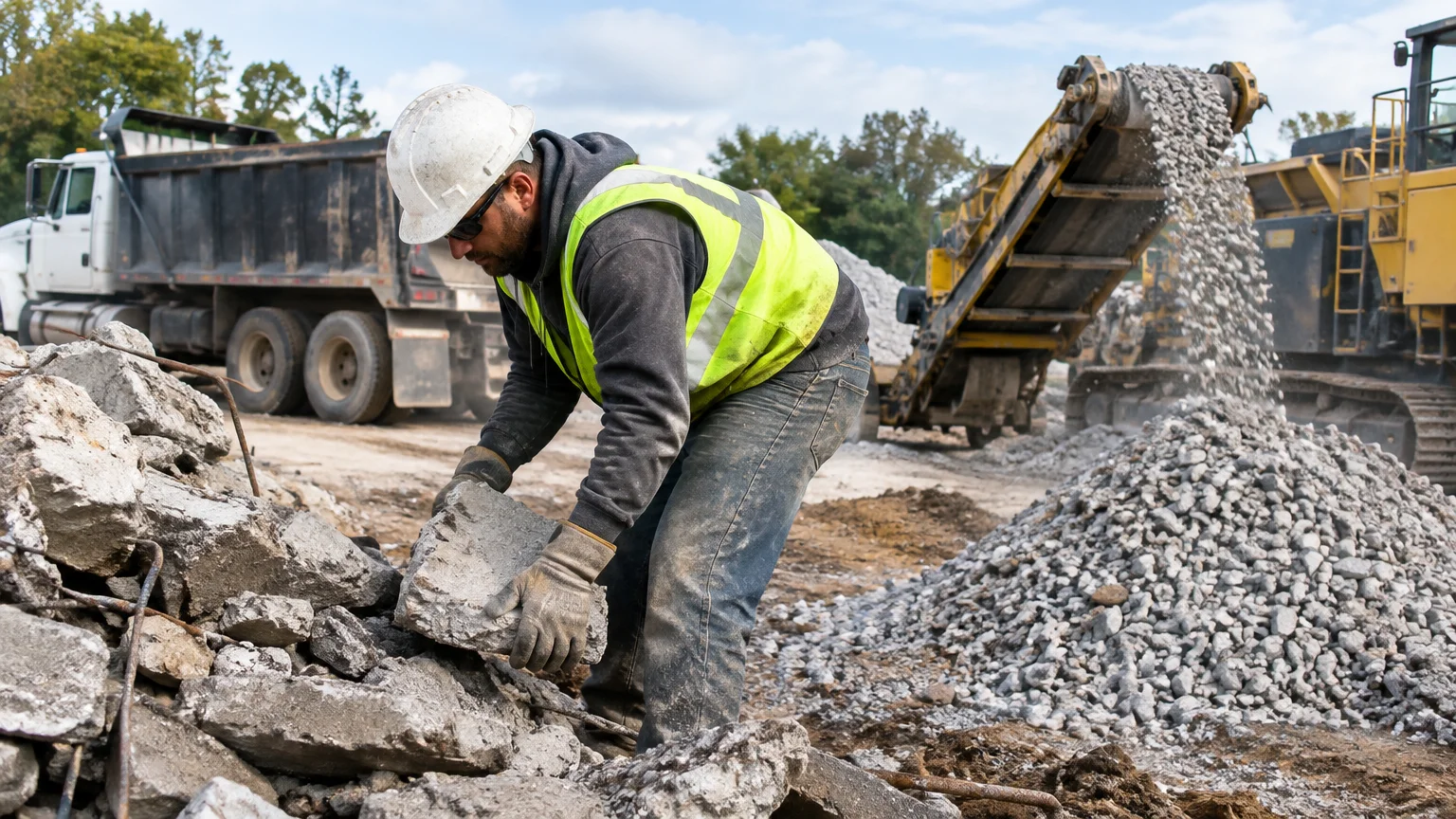
Concrete disposal services remove broken slabs, blocks, brick, asphalt, and other heavy building waste from homes and jobsites. The work often includes checking the material, loading it safely, hauling it away, sorting it, and sending it for proper disposal or recycling. These services help homeowners, contractors, and property owners clear space without moving dangerous debris alone.
Table of Contents
- What Are Concrete Disposal Services?
- How Does the Concrete Disposal Process Work?
- How Should Broken Concrete Be Prepared for Removal?
- What Safety Concerns Matter When Removing Concrete?
- Where Does Removed Concrete Go After Collection?
- How Much Do Concrete Disposal Services Cost?
- How Can You Choose the Right Concrete Disposal Service?
- Frequently Asked Questions
What Are Concrete Disposal Services?
Concrete disposal services collect and move heavy concrete waste after building, repair, or demolition work. They may remove broken sidewalks, driveways, patios, steps, blocks, pavers, brick, asphalt, and mixed masonry debris. The crew handles the hard work from the pickup area to the right disposal site.
Concrete is dense and hard to move by hand. Even a small pile can damage floors, lawns, walls, or vehicles. Professional junk removal services use proper tools and loading methods to lower these risks.
What types of concrete and masonry waste can be removed?
Most jobs include pieces of poured concrete, cinder blocks, bricks, stone, pavers, and asphalt. Some crews also handle related construction debris, such as untreated wood, drywall, metal, and soil. Accepted materials depend on the service, local rules, and the condition of the load.
Paint, chemicals, insulation, asbestos, and other controlled materials need separate handling. Tell the provider about unusual materials before booking. This helps the company decide what can travel together and what needs another plan.
Who typically needs concrete disposal after a project?
Homeowners often need removal after replacing a driveway, patio, walkway, retaining wall, or foundation feature. Contractors may need jobsite cleanup after demolition or remodeling. Property managers may also need hauling after tenant work, storm repairs, or commercial maintenance.
Acworth Georgia Junk Removal can help property owners understand which materials belong in one collection. The same planning can help customers across Acworth, from Downtown Acworth and Lake Acworth to Kennesaw, Woodstock, Marietta, Cartersville, and nearby areas. A clear description of the debris helps with scheduling and equipment planning.
How Does the Concrete Disposal Process Work?
The concrete disposal process starts with a review of the material, amount, location, and access route. The crew then prepares the debris, loads it safely, hauls it away, and sends it to an approved recycling or disposal outlet when possible. Each job is planned around the site.
Share photos or a clear description when requesting service. Useful details include the pile size, distance from the truck, stairs, gates, narrow paths, and mixed waste. Good details help prevent delays on collection day.
How is the debris assessed and prepared for removal?
The crew checks whether the material is loose, stacked, buried, or attached to a structure. Large slabs may need to be broken into smaller pieces before loading. The team also looks for nails, rebar, wire, glass, and other hazards in the pile.
Do not place concrete where it blocks doors, driveways, sidewalks, or emergency paths. If a slab still forms part of a wall, floor, or foundation, a qualified contractor may need to remove it first. Junk removal workers generally handle loose debris, not structural demolition.
What happens during loading, hauling, and disposal?
Workers use safe lifting methods and tools suited to the load. Depending on the site, they may use hand tools, carts, dollies, bins, or machines. They load the material in a controlled way, protect nearby surfaces when needed, and check the area before leaving.
The load then goes to a facility that accepts the material. Reusable concrete may be crushed for aggregate or other approved uses. Mixed or dirty debris may follow another route. A responsible provider explains the general plan without promising a result that depends on the receiving facility.
How Should Broken Concrete Be Prepared for Removal?
Homeowners and contractors can make concrete removal safer by clearing a path and separating loose debris from other waste. They do not need to lift heavy pieces themselves. Simple preparation helps the crew work faster and lowers the chance of damage.
Keep children, pets, loose tools, and trip hazards away from the work area. Point out sprinkler lines, soft ground, low branches, and other features that may affect access. Clear directions matter when the pile sits behind a gate or at the back of a property.
How can homeowners and contractors organize heavy debris safely?
Small loose pieces can be grouped in a stable pile on firm ground. Large pieces should not be stacked high or placed near a slope, wall, vehicle, or walkway. A tarp may contain small fragments, but do not use it to drag a dangerous load across a yard.
Homeowners can safely remove light trash and clear a path. Leave heavy lifting, breaking, and machine work to trained workers when pieces are too large or unstable. A contractor should also confirm that demolition work is done before arranging construction debris removal.
What materials should be separated before pickup?
Separate concrete, brick, asphalt, metal, wood, drywall, cardboard, and general trash when practical. This may improve sorting and keep one unsafe material from mixing with the full load. Sharp metal and glass should be placed aside and clearly identified.
Do not mix paint, fuel, solvents, batteries, or unknown containers with ordinary construction waste. These materials may need special disposal. When the crew knows about them early, the customer can receive clearer guidance.
What Safety Concerns Matter When Removing Concrete?
Concrete removal involves heavy weight, sharp edges, dust, unstable stacks, and hidden metal. The safest plan keeps people away from the work zone and uses tools that match the material. Workers should not rush a load because the debris looks small.
Broken concrete can shift without warning. Rebar may stick out from slabs, and small fragments can cut skin or harm tires. Dust may also irritate the eyes and lungs. Eye protection, gloves, sturdy shoes, and dust control may be needed during active removal.
How are lifting, sharp edges, and unstable piles managed?
Workers assess each piece before moving it. They use team lifting or equipment when a piece is too heavy for one person. Stable footing matters on slopes, wet ground, gravel, or damaged pavement.
Do not carry loose fragments against the body. Sharp corners and exposed wire should be controlled before loading. If a pile is leaning, buried, or pressed against a structure, workers may need to change the plan instead of pulling it by force.
Why do access conditions and equipment affect the cleanup?
A narrow gate, long carry distance, stairs, soft soil, or overhead line can change how concrete reaches the truck. A large vehicle may not fit near the pile. Workers may then need smaller tools, extra handling, or another loading point.
Describe access honestly before the appointment. In Acworth, conditions can differ between older homes, new builds, commercial sites, and rural properties. Acworth Georgia Junk Removal can review those details before the crew arrives, helping the pickup stay organized and safe.
Where Does Removed Concrete Go After Collection?
Removed concrete may go to a recycling facility, aggregate processor, transfer station, or approved disposal site. The destination depends on the material, contamination, local rules, and available outlets. Clean concrete is often easier to sort than concrete mixed with soil, drywall, wood, or trash.
Recycling does not mean every piece becomes a new sidewalk. Clean material may be crushed and used as a base or fill product. The exact use depends on the receiving facility and its rules. Ask how the provider handles concrete without demanding a result the facility cannot confirm.
How is concrete sorted for recycling or reuse?
At the receiving site, workers may separate concrete from brick, asphalt, metal, wood, and general waste. Magnets or other tools can help remove some metal. Concrete with heavy contamination may need more processing before it can be accepted for recycling.
Sorting at the property can help. It also helps the crew find material that should not enter a standard load. Clean, separated piles are easier to inspect than mixed heaps covered in loose trash.
What happens to concrete that cannot be recycled?
Concrete that cannot be recycled may go to a permitted disposal facility that accepts construction debris. The receiving site decides whether the material meets its rules. Contaminated or controlled materials may need a separate disposal path.
Responsible hauling means more than moving debris out of sight. The provider should follow local disposal rules and avoid illegal dumping. Property owners can ask where the material is expected to go and whether the service accepts the full load described.
How Much Do Concrete Disposal Services Cost?
The final cost of concrete disposal services depends on the amount, weight, access, labor, equipment, travel, material mix, and receiving-facility needs. A small loose pile near a truck is usually simpler than a large pile behind stairs or a narrow gate. The final cost is confirmed on a quote after the job details are reviewed.
Concrete jobs often differ from ordinary household junk removal because concrete is heavy and may need special handling. A small amount of light debris can be easier to move than a smaller-looking pile of dense masonry. Mixed construction loads may also need more sorting than clean concrete.
What factors influence the overall cost of removal?
The main factors include the amount of material, carry distance, and any preparation needed. Stairs, soft ground, tight parking, and difficult loading areas can add work. The debris type also matters when some materials need separate handling.
Give accurate details and ask what the quote includes. Ask about limits on concrete, brick, asphalt, soil, and mixed debris. Clear information helps the provider give a more useful estimate before collection, with the final cost confirmed on a quote.
How does concrete disposal compare with other construction debris jobs?
Concrete and masonry are usually harder to move than light cardboard, wood, or bagged household waste. Drywall and lumber may take more space, while concrete may create more weight in a smaller area. A mixed load can bring both challenges.
There is no single answer for every property. A contractor cleanup with easy truck access may be simpler than a small backyard pile reached by steps. The best comparison considers weight, volume, labor, access, and disposal needs together.
How Can You Choose the Right Concrete Disposal Service?
A good concrete disposal service explains what it accepts, how pickup works, and what site conditions may affect the job. It should provide clear scheduling details and confirm the final cost on a quote. The provider should be willing to answer questions before workers arrive.
Local knowledge can help with access, transfer stations, recycling options, and construction waste rules. Acworth Georgia Junk Removal serves customers and can help review the needs of a home, remodel, or jobsite cleanup. Customers in Acworth can use the same checklist when comparing local providers.
What should you ask before scheduling construction debris removal?
Ask these questions before booking:
- Does the service accept broken concrete, brick, asphalt, and masonry?
- Can the crew handle material behind gates, stairs, or long paths?
- Should concrete be separated from wood, metal, drywall, or general trash?
- Are structural demolition, digging, or slab breaking included?
- Where does the material usually go after collection?
- What details are needed to confirm the quote?
The answers should match the actual job. Do not hide mixed waste or access limits to get a faster appointment. Honest details protect the property, the crew, and the cleanup plan.
Key takeaways for planning a safe, efficient concrete cleanup
- Concrete disposal services can remove broken slabs, brick, asphalt, blocks, and masonry debris.
- Homeowners can clear access, separate materials, and keep people away from the work zone.
- Heavy lifting, unstable piles, sharp edges, and structural removal need added care.
- Clean concrete may be sorted for recycling, while mixed material may need another route.
- The final cost depends on weight, volume, access, labor, equipment, and disposal needs.
For a planned renovation cleanup or jobsite collection, Contact us to discuss the concrete, access conditions, and removal needs.
Frequently Asked Questions
Can concrete go in a regular dumpster?
Sometimes, but not every dumpster or waste program accepts concrete. Concrete is heavy, and containers may have limits on weight or material type. Check the provider’s rules before loading it. Concrete disposal services can explain whether the debris needs a separate pickup or recycling route.
Should homeowners break concrete into smaller pieces?
Homeowners should only break concrete when they have the right tools, skill, and protective gear. Large pieces can shift, create dust, or expose wire and rebar. In many cases, it is safer to leave breaking and heavy handling to trained workers, especially near walls, utilities, slopes, or structures.
Can a junk removal company take brick and asphalt with concrete?
Many junk removal companies accept brick and asphalt, but load rules vary. Clean materials may be sorted together, while mixed debris may need extra handling. Describe every material before pickup. This helps the provider plan the right equipment and confirm what the receiving facility accepts.
Do concrete disposal services remove slabs from a driveway?
They may remove loose pieces after a contractor has broken or detached the slab. Removing an intact driveway can involve cutting, digging, utility checks, and structural planning. Those tasks may require a concrete contractor or demolition professional. Confirm the service scope before scheduling removal.
What should a customer do with concrete dust and small pieces?
A customer can sweep small pieces from safe, stable surfaces and keep the area clear. Do not blow dust toward people, vehicles, drains, or nearby property. Larger fragments should stay in a stable location until pickup. Workers can then collect the debris with methods suited to its weight and condition.
If you are not sure what you are dealing with, it is worth having someone look at it before it turns into a bigger job. Get in touch with Acworth Georgia Junk Removal today and we will tell you where you stand.