A professional estate cleanout service can help when a home is too full, unsafe, or hard to manage. The team sorts approved items, removes unwanted belongings, and prepares the property for repairs, sale, or handover. This help can ease the work for families, executors, and real estate teams.
Table of Contents
- What does a professional estate cleanout service do?
- Is the size of the estate making the cleanout unmanageable?
- Are family members struggling to agree on what to keep?
- Do you need to prepare the property for sale or listing?
- Is the property facing a deadline from an executor, lender, or buyer?
- Are heavy furniture, appliances, or bulky items unsafe to move?
- Is the home filled with items that require special handling?
- Has grief, distance, or work made it hard to manage the cleanout?
- Are you unsure how to handle sentimental belongings and donations?
- How should you choose the right professional estate cleanout service?
What does a professional estate cleanout service do?
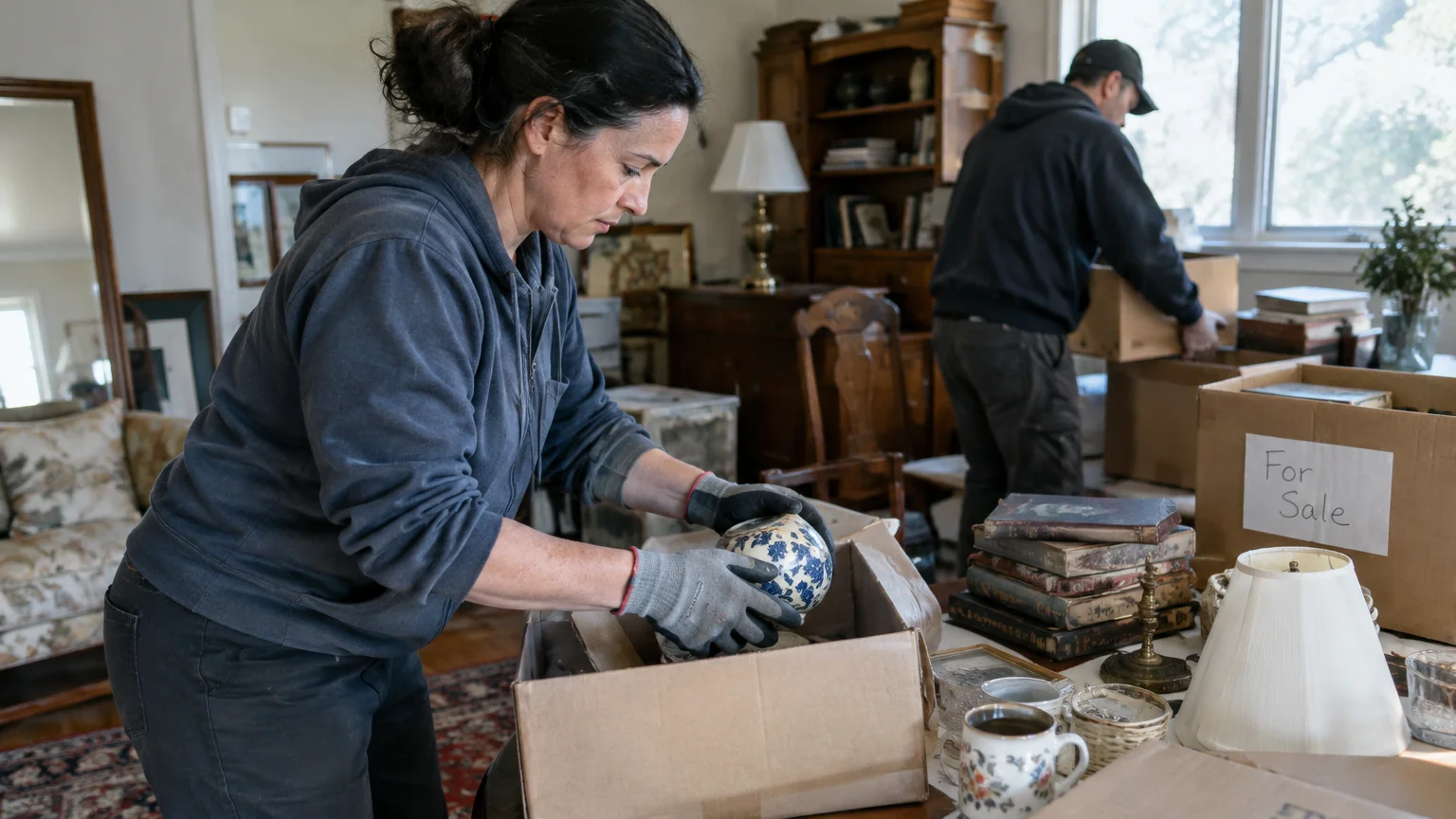
A professional estate cleanout service removes unwanted items after a death, move, sale, or care change. The work can include sorting, lifting, loading, donation sorting, recycling, and removal. A good team follows the family’s directions instead of treating every item as ordinary junk.
How estate cleanouts differ from ordinary junk removal
Ordinary junk removal often handles a smaller group of unwanted items. An estate cleanout may cover the whole house, garage, attic, basement, shed, or storage unit. It can include furniture, clothing, dishes, books, appliances, yard items, and years of personal belongings.
Estate cleanouts also need extra care. Family members may need time to find papers, photos, jewelry, tools, or heirlooms. A team should not assume that an old item has no value. Items should be sorted into clear groups before anything leaves the home.
Several removal routes may be needed. Reusable goods may go to a donation center. Metal may go to a recycler. Some appliances need special handling. Household chemicals and some electronics may not belong in regular trash. Local rules help guide the final route.
What a respectful, property-ready process includes
A respectful process starts with a walk-through and a clear plan. The owner, executor, or family representative explains what must stay. The team then marks the areas for removal and checks doors, stairs, parking, and other access needs.
A property-ready result does not always mean deep cleaning or repairs. It means unwanted contents are gone, so the next task is easier. That task may be an appraisal, donation pickup, repair, listing, staging, sale, or transfer to a new owner.
Acworth Georgia Junk Removal can help Acworth property owners sort items and plan the work. The goal is a calm process that protects important belongings. It also reduces the physical work placed on the family.
Is the size of the estate making the cleanout unmanageable?
A cleanout may be too large for one person when many rooms, storage spaces, or outdoor areas are full. Large estates often contain items in places that are easy to miss. A professional team can divide the work into sections and follow a room-by-room plan.
How multiple rooms, outbuildings, and storage areas affect the work
A whole house cleanout can involve more than the rooms people see first. Garages may hold tools and spare parts. Basements may contain old furniture and boxes. Attics may have papers, holiday items, and fragile keepsakes. Sheds may contain lawn tools, paint, or damaged goods.
Each area can need a different plan. A narrow stairway changes how furniture can move. A long walk from a shed to the truck adds work. A locked storage unit may need separate access steps. Weather can also affect outdoor items and safe movement.
Someone working alone may spend days sorting and still miss a closet or cabinet. That can delay repairs and lead to another removal trip. Dividing the property into zones helps show what has been checked and what remains.
Why a written plan helps prevent overlooked items
A written plan gives the owner or executor a simple record. It can list each room, what stays, and what may leave. Photos can help family members review a space when they cannot visit in person.
A useful plan should mark fragile items, locked areas, papers, and items awaiting family review. It should also note access limits, parking needs, and known safety concerns. This keeps the cleanout from becoming a rushed search.
The plan does not need to be complex. A room-by-room checklist is often enough. When each section is complete, the family can focus on the next step instead of wondering what was missed.
Are family members struggling to agree on what to keep?
Family disagreements are a common sign that outside help may be useful. Strong feelings can make simple choices seem hard, especially after a loss. A clear sorting system can keep the discussion focused on the home and the family’s wishes.
How to create a clear sorting system
Before removal begins, family members should agree on a few groups. A simple system may include keep, family review, donate, recycle, and remove. Each group should have a clear place so items do not get mixed together.
Labels, colored tape, or separate rooms can make the system easy to follow. Important papers should stay in one safe box. Photos and small keepsakes may need their own container. Anything with legal, money, or personal value should wait for review.
The family should also name one main decision maker when possible. This avoids conflicting directions during the work. If several people must approve items, a family review area can hold uncertain belongings until everyone responds.
When an impartial cleanout team can reduce conflict
A cleanout team does not decide what a family should keep. Its job is to follow the agreed plan and handle the physical work. This can reduce pressure on relatives who do not want to carry furniture or argue in each room.
An outside team can keep the work moving in a steady order. Family members can review special items while the team clears approved areas. This gives people time to make personal choices without making every decision during lifting and loading.
Acworth Georgia Junk Removal gives families a local point of contact. Clear directions help protect trust and prevent accidental removal. They also make the cleanout easier to finish.
Do you need to prepare the property for sale or listing?
A home may need a cleanout before an agent visits, repairs start, or listing photos are taken. Clutter can hide floors, walls, windows, and storage space. Removing unwanted contents helps professionals see the property and helps buyers understand its layout.
Which areas buyers and agents notice first
Entryways often shape the first impression. A crowded foyer can make a home feel smaller. Living rooms, kitchens, bathrooms, garages, and outdoor areas also receive close attention during showings and inspections.
Large furniture can block walkways and make rooms hard to measure. Stacked boxes can hide damage or block outlets, windows, and cabinets. Yard debris can make outdoor areas look neglected, even when the home is sound.
A cleanout does not fix every property issue. It does create room for inspection and repair. Once unwanted items are gone, the owner can better see what needs paint, patching, cleaning, or replacement.
How removing clutter supports repairs, staging, and photography
Repair crews need safe paths and clear work areas. Stagers need space to arrange furniture. Photographers need open views that show each room’s size and features. A house cleanout service can help prepare these areas before visits.
Owners should keep papers that support the home’s records or sale. These may include appliance manuals, repair receipts, warranties, keys, surveys, and permits. Set these items aside before removal begins.
A cleanout may also help with a house cleanout sale, but the family should decide what will be sold first. Sale items need a safe, organized area and a clear plan. Items left after the sale can then be sorted for donation, recycling, or removal.
Is the property facing a deadline from an executor, lender, or buyer?
A deadline can make an estate cleanout harder to manage. Executors may need to prepare records. Buyers may expect the home to be empty. Lenders or property managers may require a neglected home to be cleared before the next step. Early planning gives the owner more choices.
How time-sensitive cleanouts become difficult to coordinate
A cleanout involves more than carrying items outside. Someone must confirm what stays, arrange access, protect floors, sort special materials, and choose routes for usable goods. A delay in one task can affect repairs, inspections, photos, or closing plans.
Short timelines can also lead to poor choices. Family members may throw away papers before checking them. Useful goods may be mixed with debris. Heavy items may be moved without enough help. A rushed job can cause damage or leave work unfinished.
The earlier a team sees the property, the easier it is to find barriers. Narrow doors, full storage rooms, steep stairs, and blocked driveways may change the work order. A clear schedule can match key areas to the time available.
What to prioritize when the turnaround is short
Safety comes first. Clear paths, doorways, stairs, and work areas before moving large loads. Next, protect important papers, keys, family items, and anything named in the estate plan.
After that, owners often focus on areas needed for an inspection or sale. These may include the entry, main rooms, kitchen, bathrooms, garage, and outside paths. The right order depends on the property and deadline.
A written list keeps urgent work from replacing careful choices. The owner and team can mark what must happen first and what can wait. This is safer than trying to clear everything at once.
Are heavy furniture, appliances, or bulky items unsafe to move?
Heavy or awkward items are a strong reason to seek professional help. Furniture, refrigerators, washers, dryers, safes, hot tubs, and exercise equipment can cause injury or damage when moved without a plan. The team should review weight, shape, route, and floor protection first.
Common lifting, stairway, and access hazards
Large items may not fit through a doorway without removing a door or changing the angle. Stairs can add fall risks, especially in older homes with weak rails or poor light. Wet floors, loose rugs, broken steps, and narrow halls can make movement unsafe.
Appliances may contain water, oil, refrigerants, batteries, or electrical parts. A refrigerator should not simply be left at the curb without checking local rules. Anyone asking how to get rid of a fridge or dispose of a refrigerator should first confirm the accepted route.
Hot tubs create another challenge. They are large, heavy, and often connected to electrical equipment. Anyone asking how to get rid of a hot tub should not cut or lift it without a safe plan. The structure, access path, and utility connections need review.
Why trained removal planning matters for older or damaged homes
Older homes may have narrow passages, weak floors, or surfaces that scratch easily. Water damage, pests, mold, or other building problems can add risk. A removal team should not force an item through a route that could harm people or the home.
Planning may include measuring doors, protecting floors, using several people, and choosing a safer path. In some cases, an item must be taken apart first. Ask how the team will protect walls, floors, rails, and door frames.
Homeowners can move light objects when the path is clear. They should not attempt a heavy lift just to save time. A professional estate cleanout service helps when size, weight, access, or building condition makes the task uncertain.
Is the home filled with items that require special handling?
Some household items cannot go into ordinary trash. Electronics, paint, cleaners, batteries, propane tanks, oils, and some appliances may have special disposal rules. Identify these items before the cleanout and ask about the proper local route.
How to identify electronics, chemicals, paint, and other restricted materials
Look for warning labels, leaking containers, cords, batteries, pressurized tanks, or unknown liquids. Common examples include old televisions, computers, printers, fluorescent bulbs, pesticides, pool chemicals, and paint cans.
Do not mix unknown liquids or place damaged containers in a vehicle. Keep children and pets away from unsafe materials. If an item leaks, smokes, or gives off a strong smell, leave it alone and seek help from the proper local authority.
People often ask how to dispose of appliances. The answer depends on the item and local rules. Refrigerators, freezers, air conditioners, washers, dryers, and water heaters may each need a different route. A removal company can help identify items that need separate handling, but owners should confirm local limits.
What happens when donations, recycling, and disposal need separate routes
A careful cleanout sorts items by their next destination. Reusable furniture and household goods may be prepared for donation. Cardboard, scrap metal, and some electronics may go to recycling. Damaged or dirty items may need an approved disposal site.
Sorting takes time, but it can keep useful goods out of the landfill. It also helps prevent unsafe materials from mixing with regular household items. The final route depends on the item’s condition, material, and local rules.
A professional junk removal service should explain how it handles items it cannot take. Ask before work begins. This matters most for paint, chemicals, medical items, propane, and appliances with special requirements.
Has grief, distance, or work made it hard to manage the cleanout?
Grief can make a home cleanout feel impossible. Distance, work, health limits, or family duties can add another barrier. Local help lets the owner or executor stay involved without carrying every box or visiting the home for every task.
Why remote property owners often need local coordination
A remote owner may live in another city or state. Travel takes time, and repeated visits may not fit the estate schedule. A local team can review access, report what it sees, and complete approved work while the owner stays involved from a distance.
Remote coordination works best when directions are clear. The owner can provide a list of items that must stay, areas needing review, and items that may leave. Photos or video calls may help confirm unclear spaces, but the family should decide about valuable or sensitive items.
Owners should also provide access details. These may include a key, lockbox steps, gate information, parking instructions, and an emergency contact. A written record can prevent confusion when several people are involved.
How to stay involved without handling every task personally
The owner can choose one main contact and set review points. The team may first confirm the plan, then report special items, and finally confirm that approved areas are clear. This keeps communication useful without requiring constant calls.
The family should keep important papers and valuables under its control when possible. If these items must stay at the home, place them in one named, secure area. Tell the cleanout team that the area is not part of the removal work.
Acworth Georgia Junk Removal can coordinate with property owners across the main Acworth area. This includes Downtown Acworth, Lake Acworth, Kennesaw, Woodstock, Marietta, Cartersville, and nearby communities when a local presence is needed. Clear notes, agreed boundaries, and regular updates help distant owners make informed choices.
Are you unsure how to handle sentimental belongings and donations?
Sentimental items deserve more time than ordinary clutter. Photos, letters, documents, heirlooms, and handmade items may hold meaning even when they have little resale value. Families should separate these items before general removal begins.
How to protect photographs, documents, heirlooms, and keepsakes
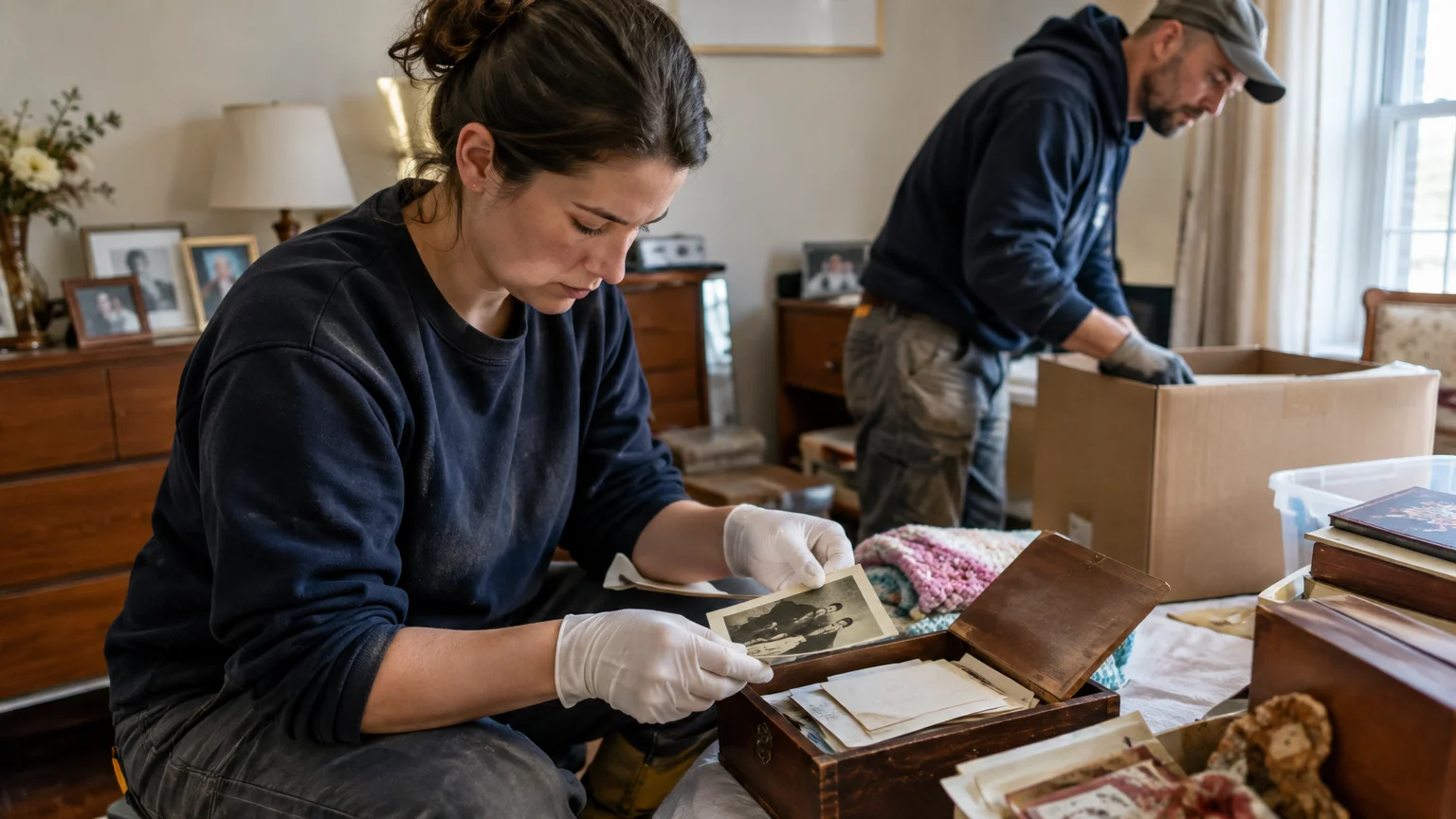
Use clean boxes for papers and photos. Keep them dry and away from direct sunlight. Do not throw away boxes of papers without checking for wills, deeds, insurance records, account papers, military records, or family letters.
Small valuables should be stored in one secure place for family review. Jewelry, coins, watches, artwork, tools, and unusual collectibles may need an appraisal or a decision from the executor. A cleanout team should not make that choice for the family.
Labels can prevent mistakes. A note can name the person who will receive an item or say that the family must review it. Clear labels help when several relatives sort items on different days.
Ways to separate useful items for donation or family distribution
Donation items should be clean, safe, and usable. Clothing can be bagged by size or type. Kitchen goods can be boxed together. Furniture should be checked for damage, stains, pests, and missing parts before it is promised to a charity or family member.
Family distribution may work better when each person submits a list. Photos can help relatives make choices without moving everything. A deadline for claims can prevent the home from staying full while decisions remain open.
The final group may include items that are not useful to family or donation centers. These items can then be sorted for recycling, special handling, or removal. This order protects meaningful belongings and makes the final cleanout easier.
How should you choose the right professional estate cleanout service?
The right service should offer a clear process for sorting, removal, access, and special items. Owners should choose a team that listens, explains its limits, and treats the home with care. A short talk before scheduling can show whether the service fits the property.
Questions to ask about sorting, removal, donations, and property access
Ask how the team handles items that must stay. Ask whether workers can separate donations, recycling, appliances, and ordinary household debris. Ask what happens when the team finds documents, valuables, chemicals, or items not listed during the first review.
It is also useful to ask about access. Explain stairs, narrow doors, parking limits, gates, elevators, fragile floors, and known damage. If the property is empty, explain how entry and final locking will work.
Owners may also ask whether the service handles estate cleanouts, foreclosure cleanout work, hoarding cleanup, house cleanout services, and bulky appliance removal. The answer should match the property’s needs. A company that mainly removes curbside items may not fit a full estate.
What to confirm before scheduling the cleanout
Before work starts, confirm the areas included, items that must remain, access steps, and the preferred work order. Confirm how special materials will be handled. Also ask whether a separate provider is needed for anything the team cannot accept.
The owner should confirm how updates will be shared. One named contact can reduce confusion when an executor, relative, agent, and property manager all have a role. Written notes help everyone follow the same plan.
A professional estate cleanout service should provide a clear quote after reviewing the job. The final amount can depend on volume, labor, access, item type, and urgency. Review the written details before scheduling and ask about anything that is unclear.
Key Takeaways
- A professional cleanout can help when an estate is large, unsafe, or time-sensitive.
- Families should separate keepsakes, papers, valuables, donations, recycling, and removal items.
- Heavy furniture, appliances, hot tubs, chemicals, and electronics may need special handling.
- A written room-by-room plan helps prevent mistakes and missed storage areas.
- The right team explains its process and respects the owner’s instructions.
Frequently Asked Questions
What is a cleanout service?
A cleanout service removes unwanted belongings from a home, building, storage space, or yard. Estate work may include sorting, lifting, loading, donation separation, recycling, and disposal planning. The service does not replace an executor, appraiser, lawyer, or hazardous-material specialist. Families still decide what has personal, legal, or money value.
How do I get rid of old appliances?
Start by identifying the appliance and checking local acceptance rules. Refrigerators, freezers, air conditioners, washers, dryers, and water heaters may have different handling needs. Do not leave an appliance outside or take it apart without guidance. A removal team can explain whether it can handle the item or needs another route.
What happens to old appliances after removal?
The next step depends on the appliance’s condition and materials. Some may be reused, recycled, or sent to a site with the right equipment. Others may need special handling because of refrigerants, batteries, oils, or electrical parts. Ask about the planned route before the item leaves the property.
Can a cleanout service help with a house sale?
Yes. Removing unwanted contents can open walkways, rooms, garages, and outdoor areas for repairs, staging, inspections, and photos. The owner should keep records, keys, warranties, and other sale papers separate. A cleanout helps prepare the property, but it does not replace repairs, deep cleaning, or staging.
Should a family clean out an estate alone?
A family can handle light sorting when the home is small, safe, and easy to access. Professional help makes more sense when there are heavy items, many rooms, tight deadlines, unsafe materials, distant owners, or serious emotional strain. Families should never attempt a lift or disposal task that could cause injury.
Conclusion
An estate cleanout becomes harder when a home is full, a family is under stress, or the property has a firm deadline. Professional help can provide a steady plan for sorting, removal, donations, appliances, and difficult access. It also gives families more time to protect the belongings that matter most.
Acworth Georgia Junk Removal helps property owners plan respectful cleanouts and nearby communities. Contact us to discuss the property and the next safe step.