A professional appliance pickup service helps when an old appliance is unsafe, too heavy, hard to move, or ready for special disposal. The right crew can remove refrigerators, washers, dryers, and other large items while protecting floors, walls, doors, and nearby belongings in Acworth.
Table of Contents
- What Does a Professional Appliance Pickup Service Do?
- How Do You Know When an Appliance Is Ready for Removal?
- Is an Old Appliance Taking Up Useful Space?
- Are You Moving, Renovating, or Preparing a Property for Sale?
- Could Moving the Appliance Yourself Cause Injury or Property Damage?
- Does the Appliance Need Special Disposal or Recycling?
- Are You Unsure How to Prepare an Appliance for Pickup?
- Do You Need Several Appliances Removed at Once?
- Why Is Professional Appliance Pickup Helpful for Busy Homeowners?
- How Can You Choose the Right Appliance Pickup Service?
What Does a Professional Appliance Pickup Service Do?
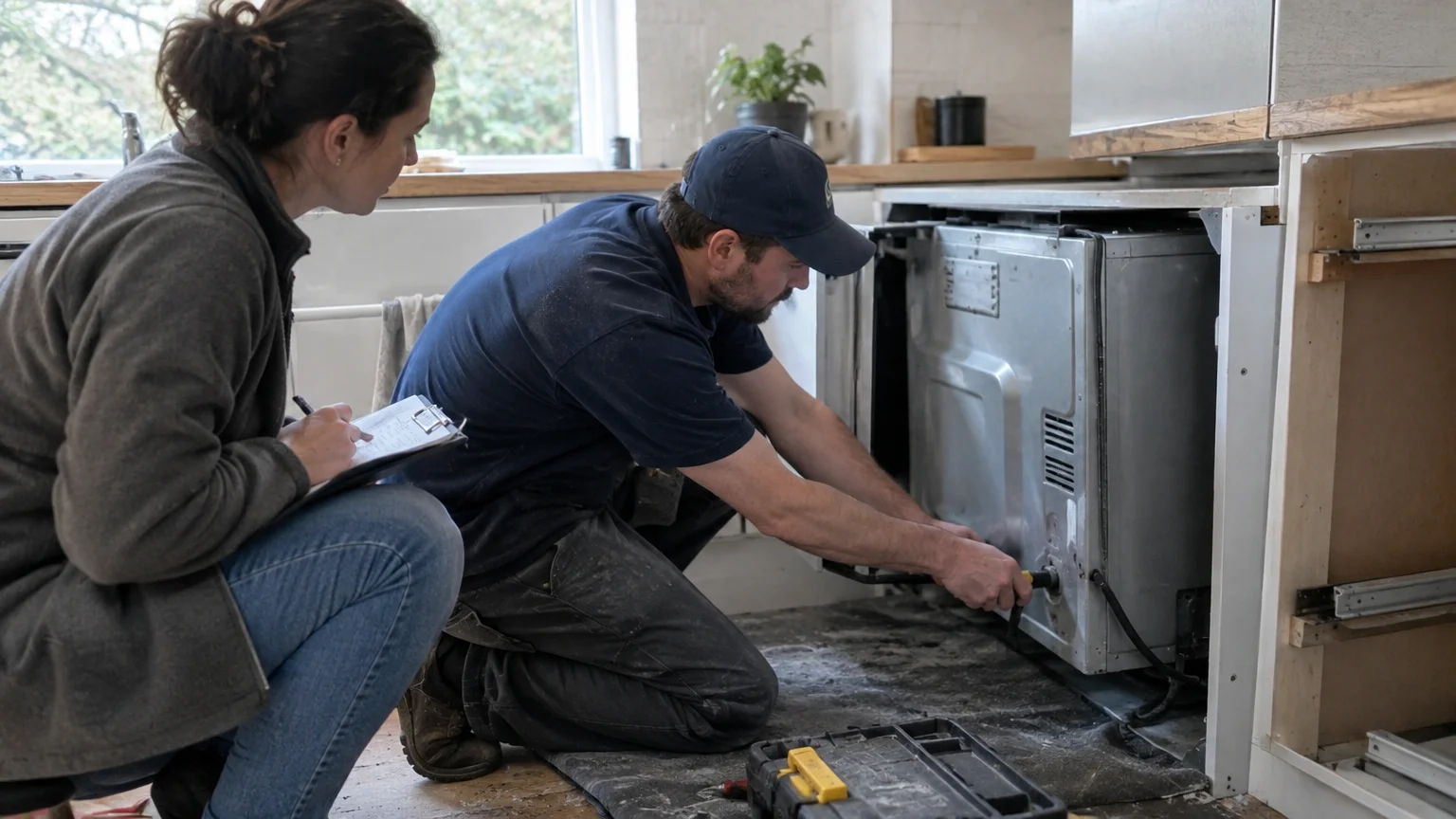
A professional appliance pickup service removes large household appliances from a home. The item may then go to reuse, recycling, parts recovery, or an approved disposal site. The crew usually handles lifting, loading, transport, and basic cleanup.
Acworth Georgia Junk Removal helps Acworth homeowners plan the next step for unwanted appliances. A local crew may remove refrigerators, freezers, ovens, stoves, dishwashers, washers, dryers, microwaves, and similar items. The list can vary, so describe each appliance before the appointment.
Which household appliances can usually be collected?
Most pickup services accept common large appliances. These include kitchen appliances, laundry machines, and some small electrical items when they are part of a larger job. Tell the provider about built-in units, damaged machines, or appliances that still contain food, water, or other material.
A refrigerator or freezer needs extra care. It may contain refrigerant and other parts that need special handling. A washing machine may still hold water. A dryer may have lint and a vent connection. Clear details help the crew plan a safer removal.
How does appliance pickup differ from regular junk removal?
Regular junk removal can cover many types of household clutter. Appliance pickup focuses on heavy, bulky, and sometimes regulated equipment. The item may connect to power, water, gas, a vent, or a wall opening.
The service is more than carrying an appliance to the curb. The crew checks the route, protects the home, loads the item safely, and plans its next step. This makes appliance removal different from leaving an unwanted machine beside a bin.
How Do You Know When an Appliance Is Ready for Removal?
An appliance is ready for removal when it no longer serves the home safely or well. Signs include repeated breakdowns, damaged cords, leaks, strange heat, rust, and poor performance. You do not need to wait until the item becomes dangerous or blocks a key area.
Some checks are safe for homeowners. You can remove food, wipe loose dirt, check the door, and look for clear damage. Keep the appliance unplugged when a cord, plug, outlet, gas line, or water line looks unsafe.
Sign 1: The appliance no longer works safely
A damaged appliance can create risks that are easy to miss. Frayed cords, broken plugs, leaking water, burning smells, exposed wires, sharp metal, and loose doors all need attention. A refrigerator with a poor seal may spoil food and work harder.
Do not take apart a large appliance to find the fault. Do not move a damaged unit through the house without a plan. A professional appliance pickup service can remove it without asking you to repair, dismantle, or carry it.
Sign 2: Repairs cost more than the appliance is worth
Repeated repairs can make an old appliance less useful. This is true when the same trouble returns often. A repair worker can help you decide if another repair makes sense.
The choice depends on the appliance, its age, its condition, and the fault. It also depends on whether you plan to replace it soon. The final removal cost should be confirmed in a quote after the provider reviews the item and access route.
Is an Old Appliance Taking Up Useful Space?
An old appliance may need removal when it uses space needed for storage, work, laundry, or daily movement. A broken freezer in a garage, an unused washer in a basement, or an old range in a kitchen can crowd the room for months.
Acworth Georgia Junk Removal can help Acworth homeowners decide if an appliance should stay, be donated, or be removed. A clear plan keeps the home from becoming a storage area for items nobody plans to use.
Sign 3: A garage, basement, attic, or laundry area is becoming crowded
Large appliances use more room than many other household items. They may block shelves, doors, work areas, or access to other equipment. In a garage, an old machine can take away parking space. In a basement, it can narrow walking paths.
Sort the appliances into three groups: working items, items that need repair, and items that no longer help. This check can save a good appliance from removal. It also makes unwanted items easier to identify.
How appliance removal can improve household organization
Removing one large item can make a room safer and easier to clean. It can also help you see what else belongs there. A clear laundry area may leave room for baskets, supplies, or a safer path around the machines.
Storage should have a real purpose. Keeping a broken appliance because it might help one day can delay the decision. When an item has no clear use, responsible removal can help the household move on.
Are You Moving, Renovating, or Preparing a Property for Sale?
Moving, remodeling, and selling often reveal appliances that have been ignored. A home may need removal before new cabinets arrive, flooring is laid, or buyers walk through. Planning early gives you time to disconnect items safely and clear the route.
A local junk removal service can help when an appliance will not fit the new home. It can also help when a property must be cleared on a short schedule. Acworth Georgia Junk Removal serves homeowners around Acworth, including Downtown Acworth, Lake Acworth, Kennesaw, Woodstock, Marietta, Cartersville, and nearby communities. The appliance list can be reviewed before pickup.
Sign 4: You need to clear appliances before a move or remodel
Moving an old appliance to a new home may not make sense if it is unreliable, too large, or wrong for the new space. Renovation work may also require an empty room. Leaving a heavy machine in place can delay flooring, painting, cabinet work, or wall repairs.
Plan removal before movers or workers arrive. Check whether a built-in appliance needs careful separation from cabinets, counters, flooring, or walls. Tell the removal crew about these details before the appointment.
Sign 5: A rental or inherited property needs a fast cleanout
Rental homes and inherited properties may contain old, damaged, or unwanted appliances. An owner may need to clear the home before repairs, cleaning, listing, or a new tenant’s move. Family members may also need help after an estate change.
A cleanout service can remove appliances, furniture, boxes, and general household junk from one property. Separate items that must stay before the crew arrives. This includes papers, tools, keepsakes, and anything with personal value.
Could Moving the Appliance Yourself Cause Injury or Property Damage?
Moving a large appliance can cause injury or damage when the route is tight, uneven, or poorly planned. Refrigerators, washers, and dryers are heavy, awkward, and hard to control. A trained crew has tools and teamwork for safer movement.
A homeowner may handle light preparation, such as removing loose shelves or clearing nearby objects. Leave heavy lifting to people who understand balance, hand placement, stairs, doorways, and load control.
Why refrigerators, washers, and dryers are difficult to handle
Appliances have smooth surfaces and uneven weight. A refrigerator may be tall and top-heavy. A washer may hold hidden water and shift when tilted. A dryer may be lighter but still hard to grip in a narrow hall.
Dragging an appliance can scratch floors and damage thresholds. Tilting it too far can harm the machine or nearby cabinets. Two people may not be enough when stairs or sharp turns are involved. Moving tools and a clear plan matter more than strength alone.
When stairs, narrow doorways, or tight spaces require extra planning
The crew may need to measure the appliance and inspect the route. Door width, ceiling height, stair turns, railings, flooring, and outdoor paths can affect the plan. Mention these details when you describe the job.
Clear the route before pickup begins. Keep pets and children away from the work area. Move valuable items from nearby shelves and counters. These steps help prevent delays and protect the home.
Does the Appliance Need Special Disposal or Recycling?
Some appliances need special handling because they contain refrigerants, oils, batteries, insulation, or other materials. Responsible disposal sends the item through reuse, recycling, or an approved disposal process. It should not be left in an ordinary rubbish stream.
Rules may differ by state, county, and local facility. Ask how the service handles the specific appliance. The answer may differ for a refrigerator, microwave, water heater, or machine with electronic controls.
What makes refrigerators and freezers different from other appliances?
Refrigerators and freezers may contain refrigerant in their cooling systems. Refrigerant is a substance that moves heat so the appliance can stay cold. Trained handlers should recover it with the right equipment before processing the appliance.
Do not cut cooling lines, remove compressors, or release anything from the unit. Do not place a refrigerator or freezer beside a regular bin unless the local waste provider approves that method.
How responsible disposal helps keep materials out of landfills
Many appliances contain steel, aluminum, copper, glass, plastic, and reusable parts. Recycling and parts recovery can keep some materials in use. Working appliances may also be suitable for reuse, based on condition and local programs.
A responsible service should explain what may happen after pickup. It cannot promise that every appliance will be recycled. The result depends on condition, local facilities, and current acceptance rules.
Are You Unsure How to Prepare an Appliance for Pickup?
Most homeowners can prepare an appliance by emptying it, cleaning loose debris, clearing the route, and pointing out hazards. Do not disconnect gas lines, water lines, or damaged electrical connections unless you are qualified. The provider can explain what needs to happen first.
Preparation helps the crew work safely and protects the home. It also gives you time to find personal items inside the appliance. A short check can prevent a delay on pickup day.
What should homeowners do before the crew arrives?
Homeowners should complete these basic steps:
- Remove food, clothing, dishes, shelves, loose parts, and personal items.
- Wipe away standing water, dirt, and loose material when safe.
- Clear doors, halls, stairs, driveways, and outdoor paths.
- Keep children and pets away from the appliance and work area.
- Tell the provider about stairs, tight turns, built-in parts, damage, and leaks.
Keep manuals, keys, and useful accessories separate if you plan to keep them. If the appliance is being replaced, the installer or utility provider may have separate rules for disconnection and removal.
Which connections, contents, and access points need attention?
An appliance may connect to power, water, gas, a drain, or a vent. A qualified person should handle these connections when needed. A pickup crew should not work on an unsafe gas line or damaged electrical system.
Point out shutoff locations, unusual access points, and surfaces that need protection. Photos may help the provider understand the job. Never hide damage or uncertain connections.
Do You Need Several Appliances Removed at Once?
Several unwanted appliances often call for a planned removal. A move, remodel, rental turnover, or estate cleanout may create refrigerators, ranges, washers, dryers, and smaller appliances at once.
Grouping the work can make planning easier. Create one clear inventory and explain which items must stay. This helps the provider prepare for the job’s size, weight, and access needs.
Sign 6: Multiple outdated appliances are waiting in one property
A household may collect appliances after replacements arrive. The old units may never leave. This can happen after a kitchen update, laundry-room change, or move. Several machines can block other work and create more clutter.
Check each item before pickup. A working appliance may be reused. A damaged one may need another handling route. Clearly identify items with leaking fluids, broken glass, or exposed wiring.
Sign 7: A whole-room or whole-home cleanout is underway
Appliances are often only one part of a larger cleanout. A garage, basement, attic, or rental home may also contain furniture, boxes, yard items, and household junk. Planning the items together can reduce repeated handling.
Start with a keep list. Then separate items for family, donation, recycling, and removal. This helps prevent the accidental removal of useful or valuable belongings.
Why Is Professional Appliance Pickup Helpful for Busy Homeowners?
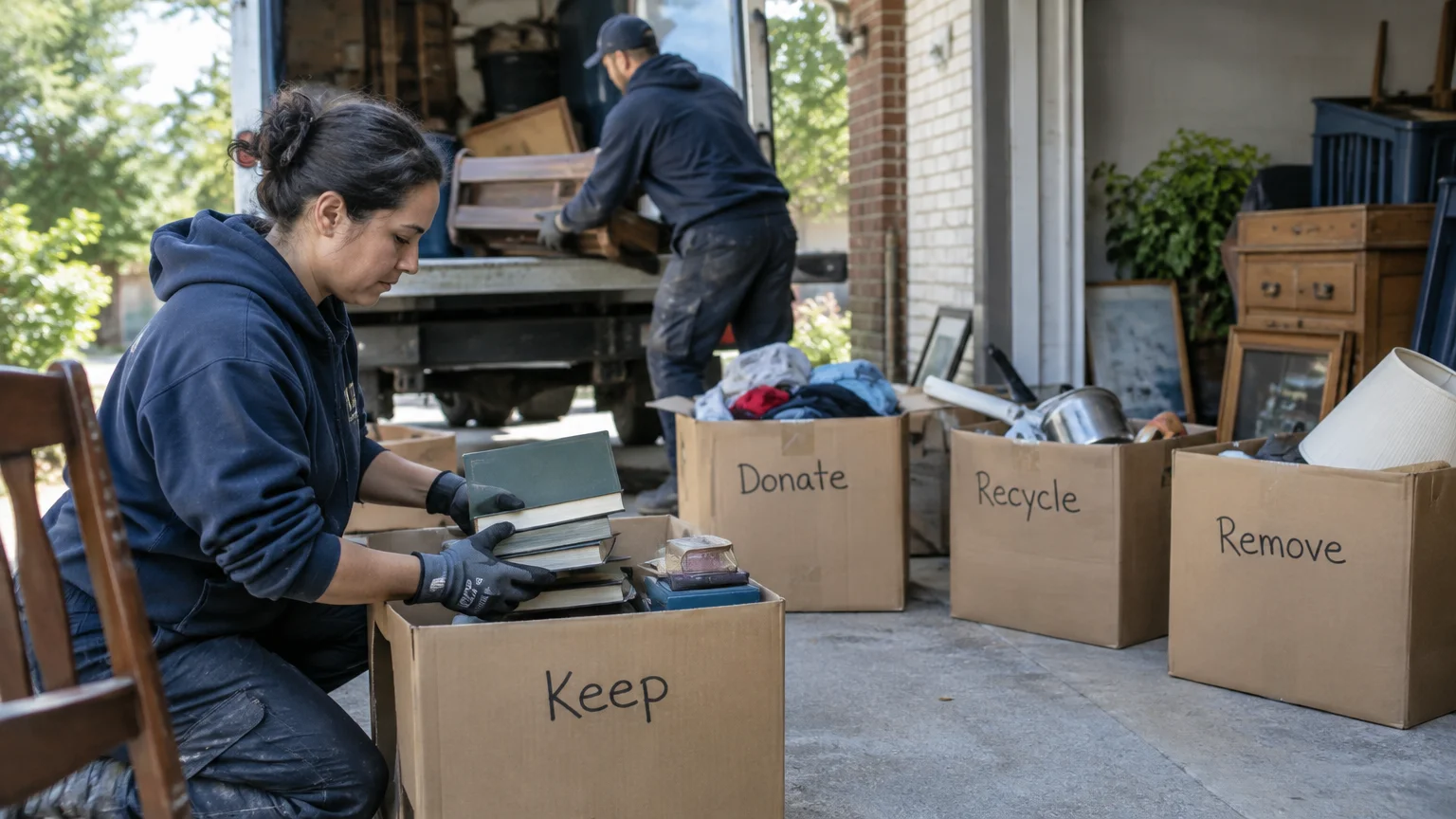
A professional appliance pickup service can save time when you lack a suitable vehicle, lifting help, or a safe disposal plan. It can also reduce the need for several trips to different facilities. The service can help homeowners, landlords, property managers, and busy workers.
Acworth Georgia Junk Removal can help Acworth residents understand the pickup process before the appointment. You still decide what leaves the property. The crew handles the difficult movement and transport work.
Sign 8: You lack the time, vehicle, or help to complete the job
Large appliances may not fit in a family vehicle. A rented vehicle may need loading tools, tie-downs, and a proper disposal site. Finding helpers can also be hard when the appliance is heavy or stairs are involved.
A professional crew brings a planned process for lifting and loading. Clear details still matter. Share the appliance type, location, condition, access route, connections, and safety concerns.
What to expect from scheduling through final removal
The process usually starts with a description of the appliance and property. The provider may ask about size, condition, location, stairs, doors, and connections. On arrival, the crew reviews the route, protects nearby surfaces when needed, removes the item, and checks the area.
Ask when the final removal details will be confirmed in a quote. The provider should also explain what may happen to the appliance after pickup. Clear answers help you choose a service that fits the home and the job.
How Can You Choose the Right Appliance Pickup Service?
The right service should communicate clearly, protect the property, and explain how it handles different appliances. Look for useful answers instead of broad promises. A local provider familiar with Acworth may know common access and disposal concerns in the area.
Before booking, ask these questions:
- Does the service accept the type and number of appliances being removed?
- Can the crew handle stairs, tight doors, built-in units, or outdoor access?
- How should refrigerators, freezers, and damaged appliances be prepared?
- How will floors, walls, doors, and nearby belongings be protected?
- Will the final cost be confirmed in a quote after the job is reviewed?
- How are appliances sorted for reuse, recycling, parts recovery, or disposal?
Questions to ask about handling, disposal, and property protection
A trustworthy provider should discuss the removal plan. Ask whether the crew will disconnect anything and what preparation is needed. Ask how the item will leave the property and where it may go afterward.
The provider should also explain its limits. Some companies may not handle gas appliances, severely damaged units, contaminated items, or unsafe locations. Knowing these limits early can prevent a failed appointment.
Key takeaways for planning a safe appliance removal
- Remove an appliance when it is unsafe, broken, unwanted, or taking useful space.
- Do not dismantle cooling systems or work on unsafe gas and electrical connections.
- Clear the route and remove personal items before the crew arrives.
- Ask how refrigerators, freezers, and other appliances will be handled afterward.
- Confirm the final cost in a quote after the provider reviews the job details.
Frequently Asked Questions
How do you get rid of an old refrigerator?
You can ask a local appliance removal service, retailer, utility program, or approved recycling facility about options. Empty the refrigerator and keep it intact. Do not remove cooling lines or refrigerant at home. The provider should explain the needed preparation before pickup.
How should someone dispose of a washing machine?
Empty the washing machine, unplug it when safe, and check for leftover water. A qualified person should handle water connections when needed. A professional pickup crew can move the machine and take it through its planned reuse, recycling, or disposal process.
Can homeowners arrange appliance removal near me without a vehicle?
Yes. A pickup service helps people who lack a suitable vehicle or enough help for a large appliance. Share the item’s location, size, condition, and access route. Stairs, narrow doors, and built-in units may affect the removal plan.
What happens to old appliances after pickup?
The result depends on the appliance’s condition and local processing options. A working item may be sent toward reuse. Other units may be separated for metal, plastic, glass, or parts recovery. Refrigerators and freezers may need special handling first.
What affects the cost of appliance removal near me?
The cost depends on the appliance type, size, weight, condition, connections, location, and access route. Stairs, narrow doors, built-in units, damage, and special handling can make the job more involved than a simple curbside pickup. The final cost should be confirmed in a quote after the provider reviews the details.
Conclusion
An appliance usually needs professional help when it is unsafe, too heavy, hard to access, or linked to special disposal needs. The same is true when a move, renovation, rental turnover, or whole-home cleanout creates several unwanted machines. Careful preparation helps the work go smoothly.
Acworth Georgia Junk Removal gives homeowners a practical option for clearing unwanted appliances. Contact us to arrange a professional appliance pickup service and discuss the items, access route, and preparation needed.