Furniture removal services handle pickup, safe carrying, hauling, and responsible disposal or donation of bulky items so you don’t have to lift or risk damage. In Acworth, these services cover couches, mattresses, tables, desks, and more, with trained crews who protect your space, sort for reuse or recycling, and keep you informed from estimate to sweep-up.
Furniture removal services handle the heavy lifting, safe hauling, and responsible disposal of bulky items. They pick up couches, mattresses, tables, and more, then donate, recycle, or dispose of them based on condition. You get clear steps from estimate to sweep-up, so your home stays safe and tidy while the clutter goes away.
Letting go of old furniture can feel hard. It’s heavy, awkward, and time-consuming. A trusted local crew can make it simple. In Acworth, many homeowners choose full-service help to save time, protect floors, and keep good pieces in use through donation. Acworth Georgia Junk Removal offers this kind of support for homes and small businesses.
Table of Contents
- What do furniture removal services include?
- How does the pickup process work from quote to haul-away?
- How much do furniture removal services cost and what affects the price?
- How should I prepare my home and furniture for removal day?
- What happens to my old furniture after pickup?
- Can they remove bulky or specialty items safely?
- How do I choose a reliable furniture removal company near me?
What do furniture removal services include?
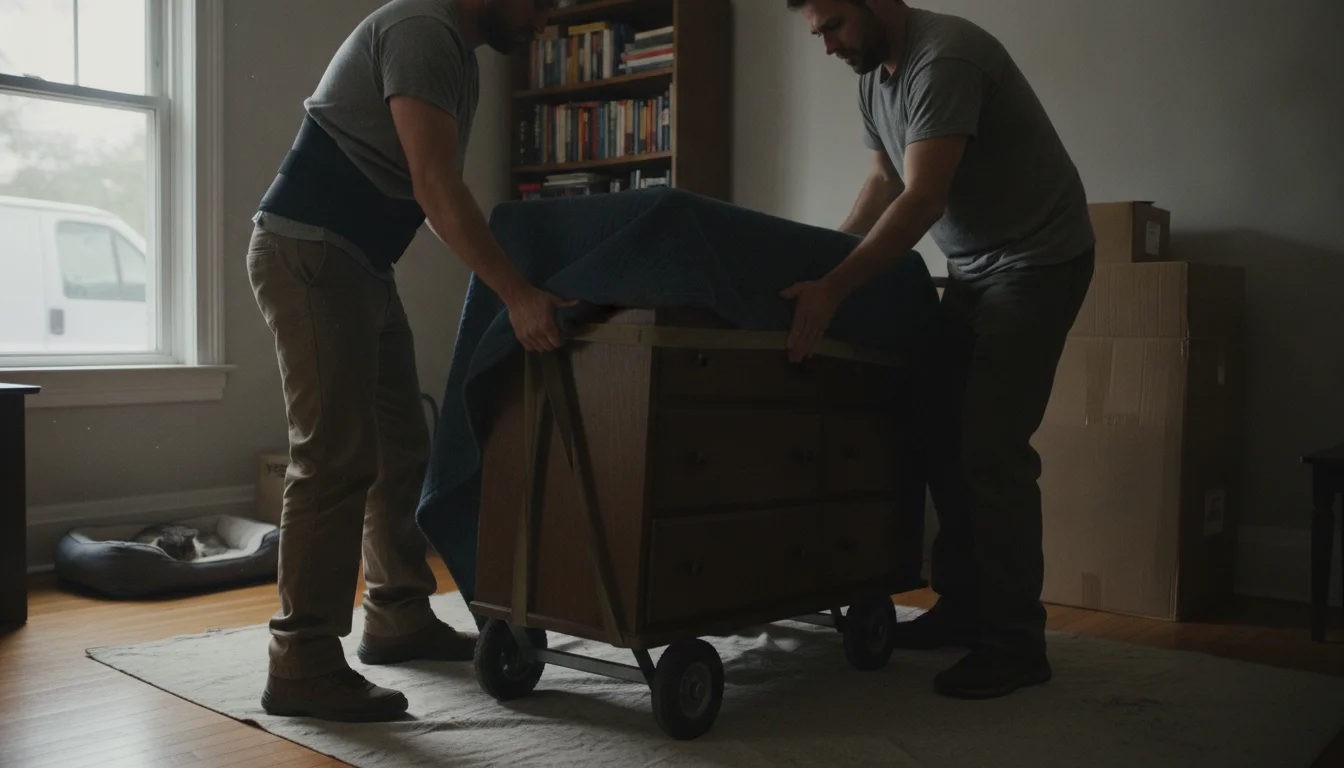
Furniture removal teams provide labor, loading, hauling, and disposal. They come with a truck, the right gear, and trained staff. They move items from any room, carry them out safely, and tidy up. Many companies also sort pieces for donation, recycling, or proper landfill disposal based on condition and local rules.
This service is helpful when you are moving, remodeling, or clearing space. Crews protect walls and floors, and they plan the path out of your home. Full-service teams also help with light disassembly. That means removing table legs or separating a sectional so each piece fits through doors.
Typical items they take (sofas, mattresses, dressers, tables, décor)
Common picks include couches, loveseats, recliners, sectionals, futons, bed frames, box springs, and mattresses. Dressers, nightstands, tables, chairs, bookcases, and TV stands go too. Many teams also take ottomans, mirrors, lamps, and décor. Outdoor pieces like patio sets and umbrellas are fine if they are safe to lift and haul.
Crews also handle bulky storage like armoires and wardrobes. If you have a sleeper sofa, they can usually take it after checking the frame and mattress. For home offices, they’ll remove desks, file cabinets, and office chairs. Office Cleanout and broader Junk Removal Services can expand help if the project grows.
Items they cannot take and why (hazardous waste, built-ins)
Most teams cannot take hazardous waste. Hazardous waste means items that can harm people or the environment, like wet paint, chemicals, fuels, and certain batteries. Local rules decide what counts as hazardous. For guidance, see the U.S. Environmental Protection Agency’s page on household hazardous waste at epa.gov/hw/household-hazardous-waste-hhw.
Built-in pieces, like wall-mounted cabinets or wired lighting, need de-installation. Some crews offer light demo, but many avoid structural removals. Check ahead about pianos, pool tables, or very fragile antiques. If a piece is unsafe to carry as-is, they may suggest partial disassembly first.
How does the pickup process work from quote to haul-away?
A smooth job has clear steps. First, you share what you have. Then you get an estimate. Next, you schedule a visit. On the day, the crew confirms arrival, walks the space, and gives a final price for the work they see. If you approve, they load, sweep up, and haul the furniture away.
You can help the team by listing the items and noting stairs, elevators, or tricky turns. Good teams ask about parking, gate codes, and your preferred time window. Expect friendly, clear communication. If your project grows, let them know early so they bring the right truck and tools.
On-site vs. virtual estimates: which is better and when
On-site estimates are best for complex jobs. The team can measure doors, check stairs, and look for tight corners. They see the true size and weight of each piece. This helps prevent surprises.
Virtual estimates work great for simple, single-item pickups. Send clear photos with a size reference, like a tape measure. Note floor level, elevator access, and parking. Virtual quotes save time and can speed up scheduling when items are easy to see and reach.
Day-of-service steps: arrival window, confirmation, loading, cleanup
Expect a short arrival window and a text or call when the truck is on the way. The crew walks through the job, confirms the final price, and protects floors as needed. They remove items room by room, stack safely on the truck, and sweep up. You’ll get a simple receipt and a note on donation or recycling when available.
After loading, the team leaves driveways and halls clear. If a door needs removing for a moment, they reinstall it. Good crews respect your space and time. Residential Junk Removal services follow a similar flow if you add boxes, small junk, or a few appliances to the visit.
How much do furniture removal services cost and what affects the price?
Actual costs vary by item size, weight, access, and distance to disposal sites. Crews price based on the time and space needed on the truck. Difficult access, like many stairs or long carries, can affect the total. Extra handling for fragile or very heavy items can add time, too.
If you have outdoor access or an easy first-floor pickup, the process is often faster. Grouping items in one area can also help. When donation or recycling is likely, crews may sort at the curb or truck to keep good items separate and clean. Ask how they handle items in fair or poor shape.
Common pricing models (volume, per item, minimums, surcharges)
Many companies use volume pricing. Volume pricing means you pay for the share of truck space your items take. Some use per-item pricing for single pieces, like a mattress or recliner. There is often a minimum charge to cover the truck and team.
Surcharges can apply for long carries, stairs, elevator delays, or very heavy items. Extra fees may cover special handling or disposal at a specific facility. Clarify what counts as a surcharge before pickup. Good teams explain their model in plain terms so you know what to expect.
Smart ways to save without cutting corners
- Group items for one visit to reduce trips
- Move small décor to one spot for faster loading
- Share a pickup with a neighbor when possible
- Schedule during normal hours for easier access
- Ask about donation options for gently used pieces
Sorting light items ahead of time can speed things up. Keep safety first. Do not drag heavy items or risk injury. Furniture Removal services like Acworth Georgia Junk Removal can advise you on safe prep steps.
How should I prepare my home and furniture for removal day?
A little prep makes the day go fast. Measure doors, stairs, and hall turns. Clear paths from each room to the exit. Pick up rugs and small trip hazards. If needed, protect floors with simple runners or cardboard. Keep pets in a quiet room so the crew can work without worry.
Take photos of any damage on old pieces so you remember the condition. If you want to keep hardware or knobs, remove them early. If the team will disassemble, set aside a clean spot for small parts. Label items you are not removing to prevent mix-ups.
Measure, clear pathways, and protect floors
Measure the largest part of each piece. Compare that to door width and stair landings. If a sofa is too big, the crew may remove legs or a door for a moment. Clear a path at least three feet wide. Use floor protection near sharp turns or on delicate wood.
Keep kids and pets away from the work area. The team will carry heavy items and may need space to pivot. Clear the driveway or reserve a loading zone so the truck can park close. Good access reduces carry time and keeps everyone safe.
Stairs, elevators, and parking tips for smoother service
Tell the team about the floor level, number of stairs, and elevator size. Reserve the elevator if your building allows it. Ask about parking needs and set out cones if street parking is tight. Share gate codes and any time limits in advance. This avoids delays and helps keep your schedule on track.
If you live in a busy area of Acworth, consider mid-morning slots to avoid rush hour. Acworth Georgia Junk Removal works across Acworth every week and can suggest time windows that fit your building rules and traffic.
What happens to my old furniture after pickup?
After pickup, the crew sorts items by condition. If a piece is in good shape, it may go to a local charity or reuse center. Donation keeps furniture in use and helps neighbors in need. When a resale option exists, some items move to thrift or nonprofit shops that accept furniture.
If donation is not possible, recycling comes next. Recycling means breaking down a piece into materials like wood, metal, and foam so parts can be reused. When no reuse or recycling option exists, items go to a licensed disposal site. Local rules guide what goes where and how.
Donation policies vary by group. Many charities require items to be clean and free of major damage. For mattresses, check state programs and rules. The Mattress Recycling Council explains how many states manage mattress recycling at mattressrecyclingcouncil.org.
Key takeaways
- Good pieces are donated when local groups accept them
- Materials get recycled when safe and practical
- Hazardous items are excluded and need special handling
- Clear prep and access speed up your pickup day
- Ask for the end plan so you know where items will go
Can they remove bulky or specialty items safely?
Yes, trained teams move big and odd pieces every day. They use lifting straps, dollies, and floor protection. Crews plan the route out of your home and may remove doors or legs for a safer carry. Good communication and slow, steady moves help avoid bumps and scrapes.
Power recliners, storage beds, and heavy dressers need extra care. Crews may unload drawers and remove glass before moving. If a piece is fragile or antique, tell the team ahead of time so they bring pads and added protection.
Couches, sectionals, recliners, and mattresses
Sectionals come apart at the clips, then move in smaller parts. Recliners often detach at the back for an easier carry. Mattresses flex, but crews keep them clean with covers so donation or recycling stays an option. If stairs are tight, they may stand a sofa on end and pivot slowly at landings.
Adjustable bases are heavy. Teams fold and secure the frame before lifting. If a sofa bed is stuck, they may remove the mattress first to reduce weight. Furniture Removal services know these tricks and will explain the steps before they begin.
Pianos, sleeper sofas, wall units, and oversized pieces
Pianos and very large wall units may require extra staff or a partner specialist. These pieces are heavy and can be unbalanced. If your building has narrow stairs, the team may suggest an alternate method or schedule a larger crew.
Sleeper sofas include a steel frame that adds weight. Crews check latches and secure moving parts before lifting. For oversized items, they may do light disassembly to protect your space. If your project expands, Junk Removal Services can add more trucks or staff to keep the job on time.
How do I choose a reliable furniture removal company near me?
Start with licenses and insurance. Licensed means the company has the legal right to haul. Insurance helps cover accidents or damage. Ask about staff training and how long the crew has worked together. Read recent reviews and look for clear notes on care, timing, and cleanup.
Check the company’s disposal plan. Ask where items go, how they decide on donation, and what they recycle. Look for simple scheduling, clear arrival windows, and friendly communication. A reliable team explains pricing in plain words and sets fair expectations.
Frequently Asked Questions
Q: Do junk removal companies take couches?
A: Yes. Most furniture removal services take couches, loveseats, sectionals, and recliners. They often detach legs or backs for safe moving. If access is tight, the crew may remove a door. Tell them about stairs or elevators so they bring the right gear and staff.
Q: How can I get rid of a mattress near me?
A: You can schedule a pickup with a local hauling team or use a mattress recycling program if your area supports it. Check state or city rules on mattress recycling. Some charities accept clean, unstained mattresses. When donation is not possible, crews take them to approved sites.
Q: Where can I get rid of a mattress?
A: Options include donation (if in good shape), mattress recycling centers, or disposal at a local transfer station. Many removal teams offer drop-off on your behalf. Review your city’s rules and hours. The Mattress Recycling Council has helpful state-by-state guidance at their site.
Q: What about tree branches or yard waste?
A: Many junk teams take yard debris if it’s bundled and safe to lift. For drop-off, your city’s public works site often lists yard waste centers and accepted items. If you prefer pickup, ask about a yard debris add-on when booking Residential Junk Removal.
Q: Can I get same-day help for a shed or heavy item?
A: Same-day help may be possible when schedules allow. For light demo like a small shed, ask about safety steps and permits. Share photos and site access details. If timing is tight, a local team may offer the next available window.
Conclusion
A trusted local team makes removal easy, safe, and responsible. You get clear steps, careful handling, and smart end-of-life choices. For help with Furniture Removal, GA or larger Residential Junk Removal projects across the Acworth area, Acworth Georgia Junk Removal is ready. Contact us.
If you are not sure which of these you are dealing with, it is worth having someone look at it before it turns into a bigger job. Get in touch with Acworth Georgia Junk Removal today and we will tell you where you stand.