A whole house cleanout clears unwanted belongings from several rooms or an entire home. Plan the work, sort items into clear groups, and set aside anything that needs special handling. Acworth Georgia Junk Removal can help homeowners plan removal while they decide what to keep, donate, or recycle.
Table of Contents
- What does a whole house cleanout involve?
- How should you plan a whole house cleanout?
- How do you sort belongings during a house cleanout?
- Which rooms should you clear first?
- How do you prepare furniture and household items for removal?
- What items require special handling or disposal?
- How should you plan removal for a large cleanout?
- Should you handle a house cleanout yourself or hire a service?
- How can you manage an estate cleanout or move-out?
- What are the key takeaways for a successful whole house cleanout?
- Frequently Asked Questions
What does a whole house cleanout involve?
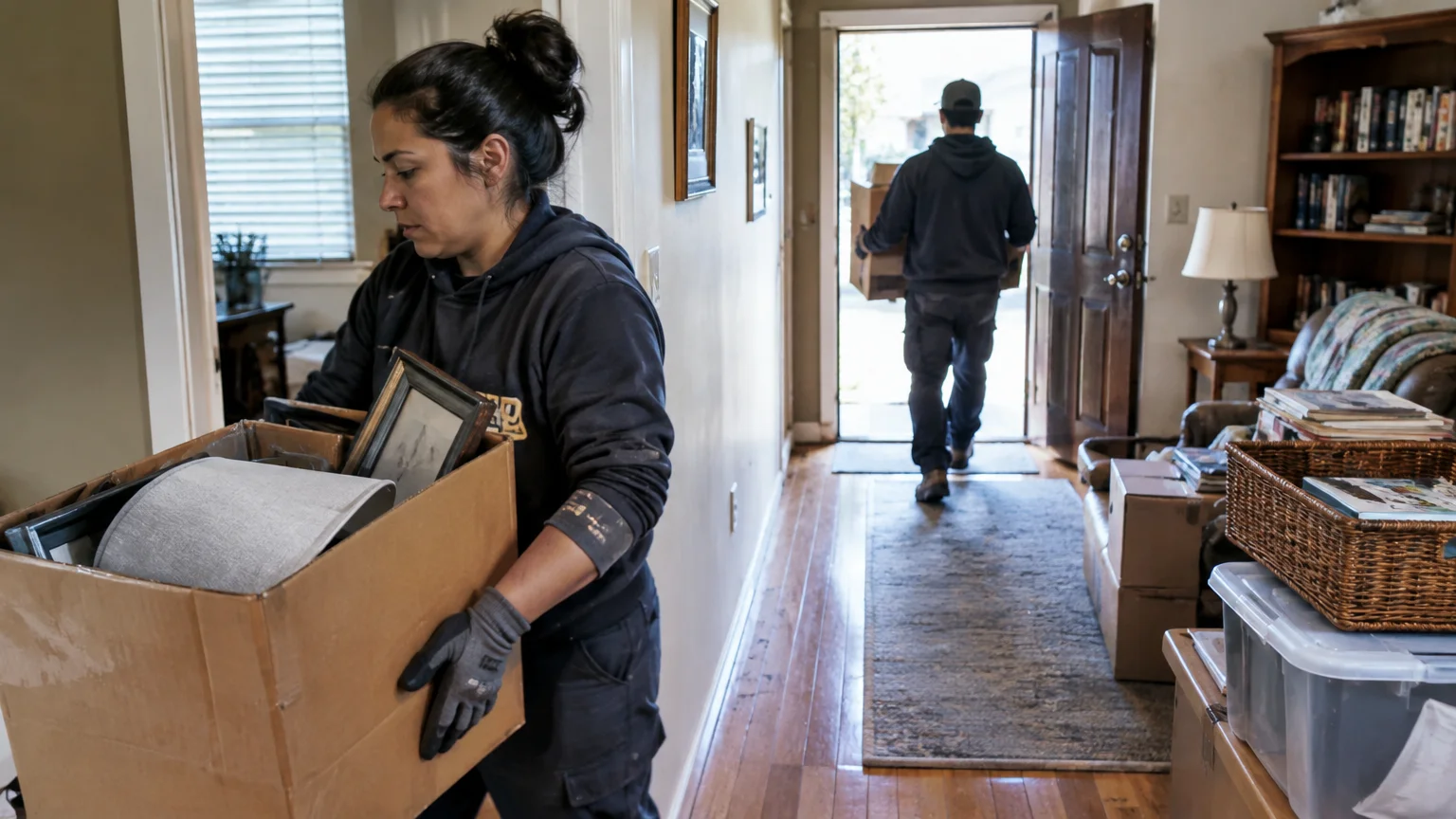
A whole house cleanout is the planned sorting and removal of unwanted items from a home. The work may include furniture, boxes, appliances, household goods, and debris. It can cover several rooms, storage spaces, or the full property, based on what needs to go.
How does a full cleanout differ from a room declutter?
A room declutter focuses on one small area and leaves most belongings in the home. A full cleanout takes in more of the property. It may include bedrooms, living areas, a garage, an attic, a basement, and outdoor storage. A clear plan helps stop items from being carried from room to room without a decision.
The goal is not to throw everything away. Homeowners can keep useful belongings, set aside items for family, and find goods that may be donated or recycled. The work is done when unwanted items have left the property and the home is ready for its next use. That might mean preparing it for a move, sale, repair, or another family member.
A house cleanout may include both sorting and removal, but those are separate parts of the job. First decide what should stay and what can go. Then plan how unwanted items will leave the home. This order helps protect personal belongings and makes the removal plan easier to explain.
When might a homeowner need a full-property cleanout?
A cleanout can help before a move or after a home sale. It may also help when a property has gathered stored belongings over many years. Other common reasons include a tenant moving out, an estate process, or repairs that need clear rooms. A house cleanout service can help with removal after the owner has made decisions.
For a foreclosed home, the owner or property manager should first check who may enter and what must stay. Property rules and agreements can affect what may be removed. Acworth Georgia Junk Removal can explain the removal process to Acworth homeowners, while the person in charge makes the final choices about belongings.
How should you plan a whole house cleanout?
Begin by deciding what the cleanout needs to achieve and which areas matter most. Next, set a schedule, gather basic supplies, and note items that need careful handling. A simple plan helps prevent rushed choices and keeps family members or other people involved on the same page.
How can you set priorities and scope?
Walk through the home and write down each space that needs work. Decide if you need to clear one floor, prepare the whole home for sale, or remove only certain belongings. Mark rooms that need attention first. For example, a clear hall may be needed for safe access, or a bedroom may need to be ready for repairs.
Allow time to sort before arranging removal. Include time for family decisions, donation drop-offs, and checking local collection rules. A rushed plan can lead to useful items being discarded or important papers being missed. If several people are involved, agree on who can approve removal before work starts.
It can help to write down the goal for each room. One room may need a full clear-out, while another only needs a few bulky items removed. Note any furniture or boxes that should not be moved. Keep the list simple enough for everyone helping to understand it.
Which items need special attention?
Look for goods that may need a separate plan, such as paint, cleaners, fuel, batteries, medical supplies, electronics, or large appliances. Do not mix unknown liquids or chemicals with regular household waste. Keep children and pets away from items that could leak, break, or cause harm.
Make a short list of questions for the local waste or recycling provider. Rules can differ by town, and some goods need to go to a special drop-off site. Keep important papers, keys, medicines, and valuables in a marked place away from removal items. This small step can stop them from being packed by mistake.
If a container has no label, do not guess what it holds. Leave it closed and ask the proper local agency how to handle it. The same rule applies to items that look damaged or may have leaked. A careful pause is safer than placing unknown goods in a regular pile.
How do you sort belongings during a house cleanout?
Sort belongings into clear groups before removal begins: keep, donate, recycle, and remove. These groups make choices easier and help stop wanted items from being mixed with unwanted ones. Use labels or separate areas so everyone helping knows where each item belongs.
How should items be separated?
Choose a spot for each group. Keep belongings that will stay in the home together, and place donations in a clean, dry area. Set aside recyclable goods only when a local program accepts them. Put unwanted items in a separate place that is easy to reach for pickup.
Before offering an item for donation, check that it is clean, safe, and still useful. Groups may not accept broken or stained goods. Review papers before recycling or throwing them away, especially if they show personal or money details. If you are unsure, pause and check rather than making a quick choice.
- Keep: Belongings the owner plans to use, store, or pass to family.
- Donate: Clean goods that remain useful and are accepted by a local group.
- Recycle: Materials accepted through a local recycling program.
- Remove: Unwanted items that are not right to keep, donate, or recycle.
Try to keep each group apart as the cleanout moves forward. A label on a box or a clear sign on a room can help. If other people are helping, tell them what each label means. This avoids confusion when the removal crew arrives.
How can families decide what to do with sentimental belongings?
Set aside photos, letters, family keepsakes, and other personal items for a separate review. Family members can look through them one at a time, or one person can gather them for later. There is no need to settle every hard choice during the first sorting session.
For inherited belongings, agree on how choices will be made before removal starts. A shared list or marked box can help prevent mix-ups. Keep valuable or important items secure until the person responsible has checked them. If ownership is not clear, wait until the right person has permission to decide.
It may help to give each family member a set time to review items. Keep the process calm and make a note of any choices that need more thought. Items that are still in question should stay apart from goods marked for removal. This gives everyone a chance to speak before anything leaves.
Which rooms should you clear first?
Start with the room or path that affects safety, access, or a set deadline. Clearing an entryway can make it easier to carry items without moving them around obstacles. Then work through rooms in a planned order instead of jumping between spaces.
How do you choose a starting point?
Think about what the home needs first. If movers or repair workers are coming, clear the areas they need to reach. If the goal is to prepare a property for viewing, focus on the rooms that must be ready. For a large cleanout, a room-by-room list makes progress easier to track.
Do not block stairs, exits, or walkways with items waiting for removal. Keep a clear path from each room to the door. If the path gets crowded, stop moving items until it is safe again. Good access helps protect people and lowers the chance of damage to walls, floors, or belongings.
Some homes have only one clear route to the exit. Keep that route open throughout the work, even when the rest of a room is still being sorted. Put boxes and furniture in a safe place away from doors. This makes it easier for anyone in the home to move around.
What order works for bedrooms, living areas, and storage spaces?
Once the way out is clear, choose an order that fits the home. Some people start with the main living areas, while others begin in rooms with many unwanted items. Finish one small area before opening boxes elsewhere. That makes it easier to see what is done and what still needs a choice.
Bedrooms may hold clothing, bedding, and personal papers. Living areas often have furniture and electronics. Attics, basements, and garages can contain mixed goods that need more sorting. Check storage areas carefully for belongings that belong to someone else or need special handling. An estate cleanout service can help with removal after the owner or family sorts what should stay.
A room list can show which spaces are finished and which still need work. Mark a room complete only after its belongings have been sorted and its path is clear. If an item needs a family decision, note it rather than moving it into the removal group. This keeps the plan easy to follow.
How do you prepare furniture and household items for removal?
Make items easy to identify and reach, but leave heavy or awkward lifting to people with the right tools and help. Clear paths, group items that are going, and point out anything that must stay. Before moving furniture, check doors, stairs, and tight turns for a safe route.
How should furniture be readied for pickup?
Take loose goods out of drawers, shelves, and cushions. Keep small parts, such as shelves or hardware, with the furniture if they are needed. Broken furniture does not always need to be taken apart. A removal team can advise if it should stay whole based on its size and the path out.
Before getting rid of old furniture, check whether it may be suitable for donation. A chair with a strong frame may still be useful, while furniture with sharp breaks or serious damage may not be accepted. Do not leave large items at the curb unless local rules and the collection plan allow it.
Keep screws or other small parts in a bag and attach it to the item when possible. If a piece has glass, loose doors, or sharp edges, point that out before anyone moves it. Do not wrap or move an item in a way that hides damage or makes it harder to carry safely.
What should be done before the pickup?
Separate items for removal from belongings that will stay. Keep pets away from the work area and tell the crew about tight spaces, stairs, or fragile surfaces. If something is too large to move safely, do not try to lift it alone. A fall or strained back can turn a simple cleanout into a bigger problem.
For appliances, remove food and loose contents. Keep the appliance upright when its handling instructions say to do so. Do not cut power cords or hoses unless the owner knows how to do that safely. If a unit connects to a gas line or water supply, ask a qualified person for help when needed.
Give the removal team clear directions about what should go and what must stay. Mark items that are not part of the job, especially when they are close to removal goods. Make sure paths are open before work begins. Clear directions help the team work safely and reduce the chance of a mix-up.
What items require special handling or disposal?
Some household goods cannot go into regular trash or standard recycling. Paint, fuel, chemicals, batteries, and some electronics may need special collection. Local waste agencies can explain what they accept and where items may go, so check before adding uncertain goods to a removal pile.
How should hazardous or restricted items be handled?
Keep unknown chemicals in their original containers when possible. Do not pour them down a drain or mix them together. Avoid touching containers that are leaking or damaged. Keep them away from heat, children, and pets, then ask the local waste agency how they should be handled.
Rules can differ across towns and counties. A junk removal company may not accept every restricted item, so ask before planning pickup. Make a separate list of items that need a special drop-off. This helps prevent delays and keeps unsuitable goods out of a regular load.
If an item seems to be an immediate danger, do not try to move it. Keep people away and seek the right local help. Do not put it in a car or carry it through the home. Ask the waste agency what steps to take next.
How can appliances, electronics, and bulky goods be managed?
Appliances and electronics may have parts that need careful recycling. Ask a local recycling program, retailer, or waste agency which goods it accepts and how to prepare them. For a refrigerator, remove food and ask the receiving service about its rules. Do not leave an appliance where a child could climb inside or become trapped.
A broken sofa, mattress, or other large item may need its own collection plan. If it is heavy, unstable, or hard to carry, do not move it without help. Acworth Georgia Junk Removal can help residents sort out which household goods may be removed and which need another disposal route.
Some items can be reused, while others must go to a collection site. Check before taking goods to a donation or recycling location. Keep anything that needs special care apart from regular household items. This helps everyone know what can be handled together and what needs a separate plan.
How should you plan removal for a large cleanout?
Plan removal based on the amount and type of material, the route out of the home, and the number of areas involved. A few loose items need a different plan from a home with furniture, appliances, boxes, and garage debris. A clear list helps a service understand the work before removal day.
What affects the scope of the work?
The amount to remove is one part of the plan. Access matters too. Stairs, narrow halls, long walks to the vehicle, and limited parking can affect how items are moved. Large, heavy, or fragile goods may need extra care. A full-property cleanout usually needs more planning than a small pickup because more rooms and choices are involved.
Describe what is in each area and note anything that cannot be taken. Photos can help explain the layout, but they should not replace a clear list. Ask how the team handles goods that need special disposal. Also confirm whether the work includes carrying items from inside the home.
Make sure the agreed work is clear before it begins. Point out the entry, the rooms involved, and any items that must stay. If access changes, tell the team before the planned work. Clear details help everyone understand the job and avoid confusion during removal.
How is a full cleanout different from smaller removal jobs?
A smaller job may involve one couch, a mattress, or a few boxes. A whole house cleanout can include many kinds of belongings across the property. It may also involve donation sorting, appliance removal, and planning a safe route out. The right plan depends on what must leave and what the homeowner has already sorted.
Some homeowners handle small items themselves and arrange help only for large goods. Others choose a house cleanout service to remove several groups of items together. Neither choice works for every home. Pick the plan that fits the work, the time available, and the people who can help safely.
For a larger job, it can help to share a room list before scheduling removal. Include furniture, appliances, and other large items that need attention. Mention stairs, tight halls, or limited access. This gives the service a clearer view of the work and helps you prepare the home.
Should you handle a house cleanout yourself or hire a service?
Homeowners can sort belongings, label boxes, and do light cleaning on their own. A professional service can help when the work includes heavy lifting, many large items, little time, or hard access. The best choice depends on the job and what the homeowner can do safely.
Which tasks can homeowners do themselves?
Most people do not need a professional to make a sorting plan, gather small household items, or wipe empty shelves. They can label boxes, set aside donations, and check local recycling rules. Sweeping a clear floor is also a fair do-it-yourself task when the space is safe to enter.
Do not lift an item that feels too heavy or awkward. Avoid carrying large furniture down stairs alone or moving goods through blocked paths. Do not handle unknown chemicals. If a task needs special tools, training, or work on utility lines, ask a qualified person. A safe pause is better than risking injury or damage.
You can make the job easier by preparing before the removal day. Put small items in marked boxes and keep important belongings in a separate place. Tell everyone helping which rooms are ready and which still need sorting. These simple steps do not need a professional and can help the work stay organized.
When should a removal company be considered?
A local removal service can help when there are many items, large furniture, or a firm move-out date. It may also help when the owner cannot carry goods or when several rooms need clearing. Before choosing a company, ask what it accepts, how the crew will reach the items, and what should be ready.
People looking for professional house cleanouts may search for a house cleanout service or an estate cleanout service near me. Compare providers by checking their service area, accepted items, and work process. Make sure the plan covers the needs of the property. Acworth Georgia Junk Removal serves homeowners seeking residential junk removal in the main Acworth area, including Downtown Acworth and nearby communities such as Kennesaw, Woodstock, Marietta, and Cartersville.
Some people also look up house cleanout faqs or office cleanout faqs when comparing ways to clear a property. The questions can help you learn what to ask, but the right plan depends on the items and the home. For a residential job, focus on room access, goods to remove, and anything that needs special care. Make sure the service understands what must stay.
How can you manage an estate cleanout or move-out?
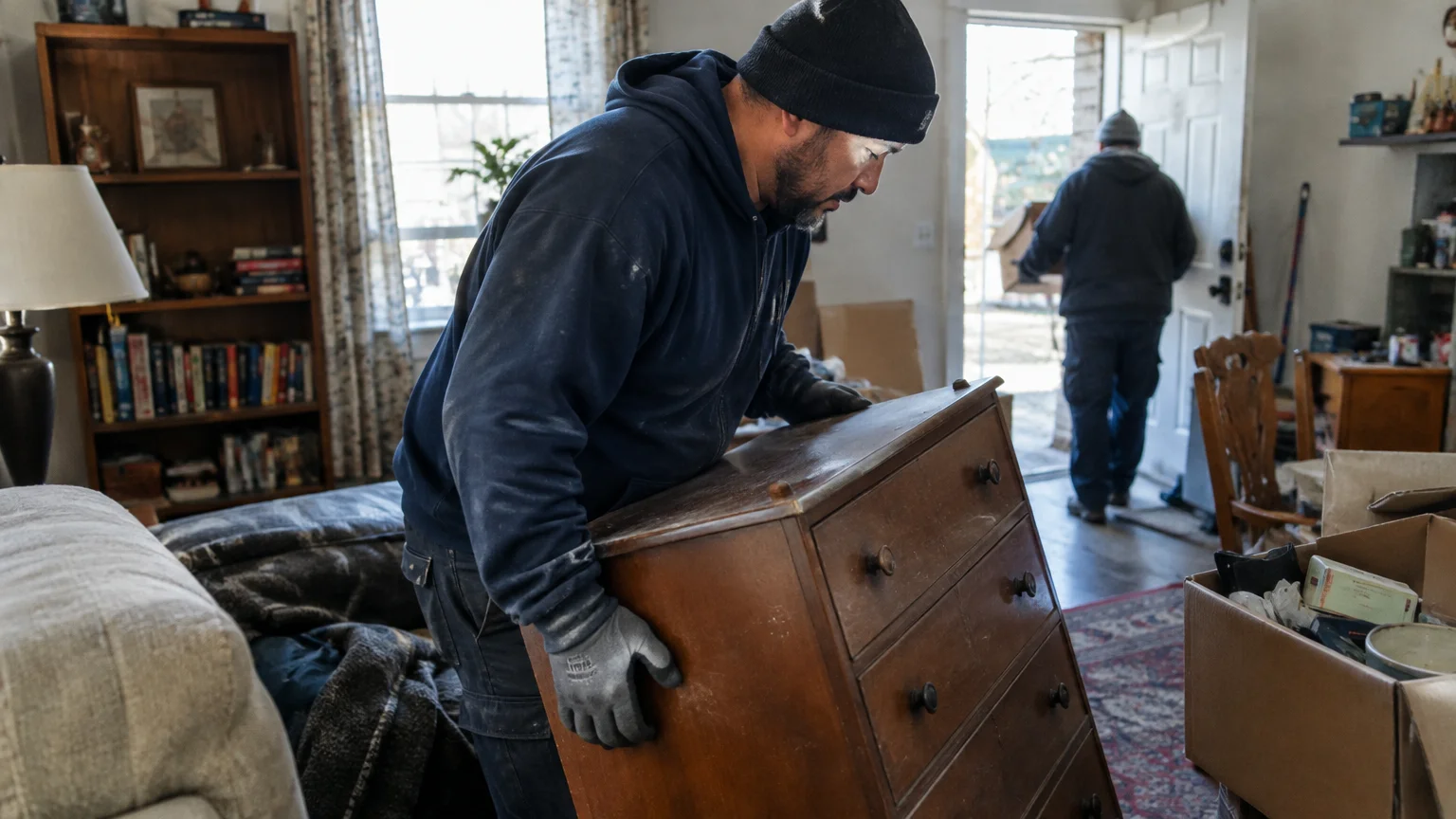
An estate cleanout or move-out works better when one person coordinates choices, access, and timing. Make sure the people who have authority agree on what may leave. Set aside important records and belongings before planning removal, donation, or recycling.
How can family members or property stakeholders coordinate?
Choose one main contact to keep the plan organized. Share a list of rooms and items, and give family members a clear way to mark anything they want to keep. Set a date for decisions, but allow time to review personal belongings. This can help avoid disagreements on removal day.
For a rental or foreclosed property, confirm who has permission to enter and make choices. Check the lease, sale papers, or property instructions before removing anything. Keep a record of goods that must stay, and do not throw away papers or equipment that belong to another person. Clear approval helps protect everyone involved.
If several people are involved, share updates as the work moves forward. Keep one list of decisions rather than relying on memory. Mark items that are still in question and leave them in a safe place. This makes it easier for the person in charge to review them before removal.
How should deadlines, documents, and access be handled?
Write down key dates for moving out, repairs, property access, and planned pickup. Keep keys, entry details, and the name of the person in charge together. Before the cleanout starts, remove personal papers, medicines, valuables, and items that need to travel with the owner.
If the property has limited access or building rules, share those details early. Ask whether a loading area, lift, or parking space needs to be set aside. A clear plan can help the crew reach the items without bothering neighbors or blocking shared spaces. After removal, walk through the home and check that marked belongings remain.
Leave enough time for a final look through each room. Check closets, cabinets, storage areas, and outdoor spaces. Make sure keys and documents are accounted for. If anything is missing or uncertain, ask the person in charge before the property is handed over.
What are the key takeaways for a successful whole house cleanout?
A successful cleanout starts with a clear goal and a safe plan. Sort belongings before removal, keep important items apart, and check local rules for goods that need special handling. When the work is too large or heavy to manage safely, choose a removal plan that fits the property and its timing.
What checklist keeps the project moving?
- Decide which rooms and storage areas need to be cleared.
- Set aside papers, valuables, medicines, and belongings that must stay.
- Sort goods into keep, donate, recycle, and remove groups.
- Check local rules for appliances, electronics, chemicals, and restricted goods.
- Clear safe paths and share access details before the pickup.
- Walk through the property after removal to check the result.
Use the checklist as a guide, not as a reason to rush. A house cleanout may take more than one sorting session, especially when several people share choices. Keep donation items clean and separate, and check that the receiving group accepts them. Plan removal after the belongings that must stay are clearly marked.
Conclusion
A whole house cleanout does not need to happen all at once. A room-by-room plan, clear sorting groups, and safe handling make the work easier to manage. Homeowners can sort small items and do light cleaning themselves, then arrange help for large or difficult removal. Contact us to discuss your cleanout with Acworth Georgia Junk Removal and plan the next step.
Key takeaways
- Plan the rooms, timing, and goal before moving belongings.
- Sort items clearly and protect anything important or personal.
- Check local guidance before handling restricted goods or appliances.
- Do simple sorting and light cleaning yourself; get help with unsafe lifting.
- Confirm access, accepted items, and the removal plan ahead of time.
Frequently Asked Questions
How do you get rid of old or broken furniture?
First, check whether the furniture is clean and useful enough for donation. If it is damaged or no group will accept it, arrange a suitable bulky-item pickup or removal service. Clear a safe route before moving it, and do not try to carry a heavy or awkward piece alone.
Some furniture can be reused even when it no longer suits the home. Check for loose parts, sharp damage, or stains before offering it to a group. If it cannot be donated, keep it separate from goods that need special disposal. Ask a local provider what options are available for large items.
How do you clean out a foreclosed home?
Start by confirming who has legal permission to enter and decide what may be removed. Check the property instructions and keep anything that must remain. Sort belongings, protect records and valuables, and plan separate handling for restricted goods. A removal service can help after the owner or property manager approves the items for removal.
Do not assume that everything inside is unwanted. Some belongings may belong to a former tenant or another person. Follow the instructions for the property and keep a record of what should stay. Ask the person in charge before removing goods when the rules are not clear.
How can you get rid of a refrigerator or other appliance?
Remove food and loose items, then ask the local waste agency, recycling program, or removal provider about its rules. Some appliances need careful handling or a specific collection route. Do not disconnect gas or water lines unless a qualified person can do so safely. Keep children away from an appliance waiting for pickup.
Check whether the appliance needs to remain upright while it is moved. Ask what the receiving service needs before the day of collection. Keep the area clear and tell the crew about steps, narrow doors, or other access issues. This helps everyone prepare for safe removal.
How do companies handle large-scale cleanouts?
A removal company usually needs to know which rooms are involved, what items should go, and how the crew can reach them. The homeowner should mark anything that must stay and point out heavy, fragile, or restricted goods. The company can then confirm which items it accepts and explain how removal will be arranged.
Before work begins, walk through the plan with the person in charge. Make sure the rooms and items match what you want removed. Ask about goods that need another disposal route. Keep family members informed if they have a say in the choices.
What should be done with household items that cannot be donated?
Check whether each item can be recycled or needs a special drop-off. Local rules differ, especially for appliances, electronics, chemicals, and batteries. Keep restricted goods apart from regular junk and ask the local waste agency or a removal provider about accepted options. Do not leave items at a donation site without approval.
Some goods may be accepted by a recycling program even when a donation group will not take them. Other items may need to go to a specific collection site. Check first, and keep them marked until you know the right next step. This helps prevent unsuitable goods from going into the wrong load.
If you are not sure what you are dealing with, it is worth having someone look at it before it turns into a bigger job. Get in touch with Acworth Georgia Junk Removal today and we will tell you where you stand.